
Cyber and secure communications: 31 records in 4 other sectors
Research partners, licensors or licensees for the same technology outside this sector
Comprehensive institutional-grade investment memorandum integrating three years of Ukrainian combat-proven technologies, the Brave1 defence innovation ecosystem, and European defence transformation. The definitive analysis of how Ukraine's battlefield revolution reshapes 10-year roadmap for €800+ billion in European defence procurement across 9 critical technology domains.
Executive Summary
This institutional-grade investment memorandum represents a comprehensive analysis of the European defence technology transformation catalysed by three years of high-intensity combat in Ukraine. The document integrates battlefield performance data, European defence spending trajectories, technology readiness assessments, and financial modelling across 9 critical technology domains.
Ukraine's battlefield revolution provides unambiguous evidence that traditional force structures are obsolete. In a landmark NATO exercise, 10 Ukrainian troops eliminated 2 NATO battalions using drone swarms and AI targeting — a $300,000 investment against $100M+ in conventional forces. This asymmetry defines the investment opportunity.
The analysis uniquely synthesises Ukraine's Brave1 defence innovation ecosystem (1,500+ companies, $105M raised in 2025), European spending commitments (NATO's binding 3.5% GDP target by 2035, ReArm Europe's €800B leverage), and combat-validated technology assessment to construct a three-tier investment architecture targeting €17 billion across immediate deployment, rapid scaling, and transformational capabilities.
Key analytical frameworks include combat validation scoring (replacing 5–7 year traditional testing with 30-day battlefield assessment), NATO interoperability mapping across 32 member states, distributed manufacturing analysis (Ukraine–Poland–Germany–Nordics), and ESG-compliant defence investment methodology.
Coverage Areas
Exhaustive battlefield performance data, market sizing, competitive intelligence, and investment parameters for each combat-proven technology domain.
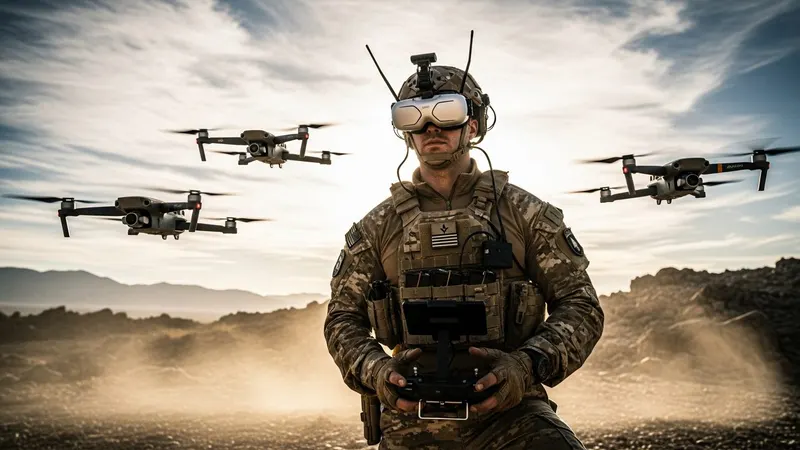
FPV kamikaze ($300–$500/unit), long-range strike (1,000km+), fiber-optic control (jam-proof), AI terminal guidance raising success 3–4×.
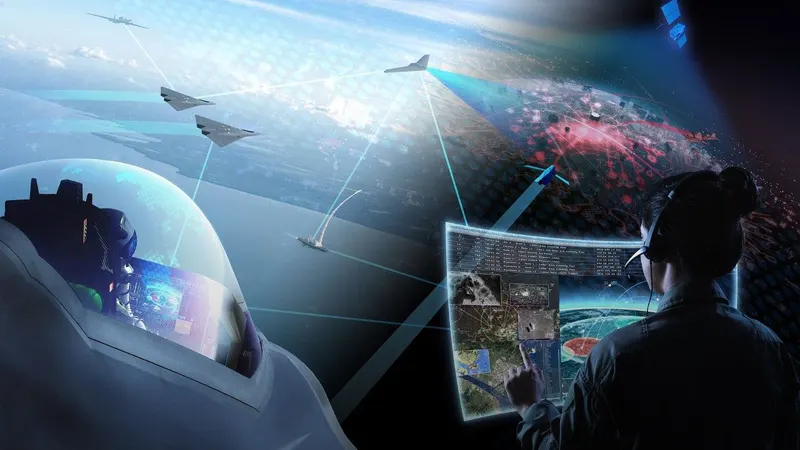
140+ Ukrainian EW manufacturers, 30+ NATO-codified solutions. 2026 as "physics year" with RF chip and amplifier breakthroughs.

Kill chain compressed from 30+ min to <5 min. Delta, Griselda, Helsing HX-2 Karma. 200+ AI innovations via Brave1.
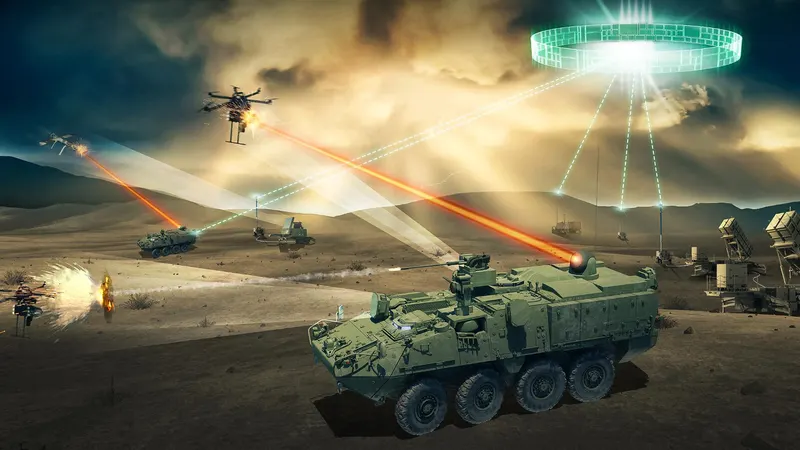
Acoustic, RF, radar, AI visual detection layers. Bukovel-AD, Nota, Piranha combat-proven. SHORAD as critical NATO gap.
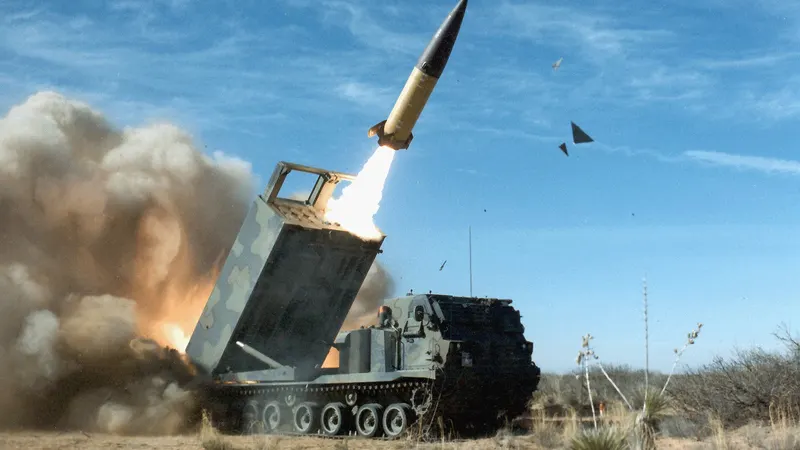
155mm extended range (40–70km), GPS/inertial guidance CEP <10m. Next-gen HIMARS-class systems under development.
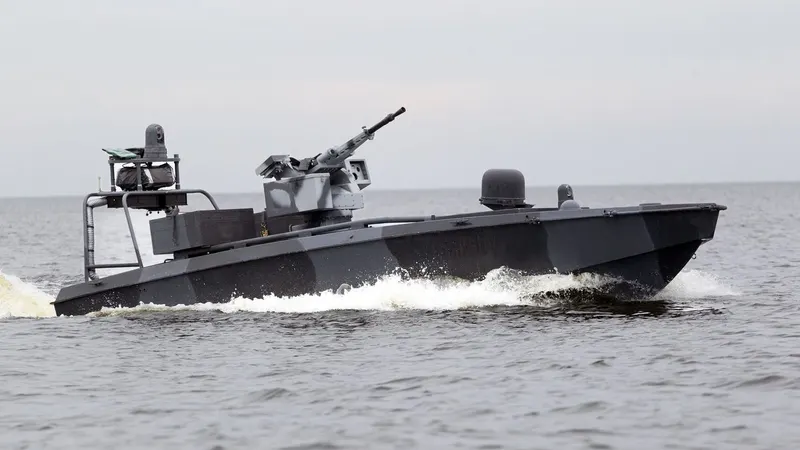
World's first fully unmanned joint attack. Sea Baby/Magura forced Black Sea Fleet retreat. Naval drones downed 2 Russian jets.
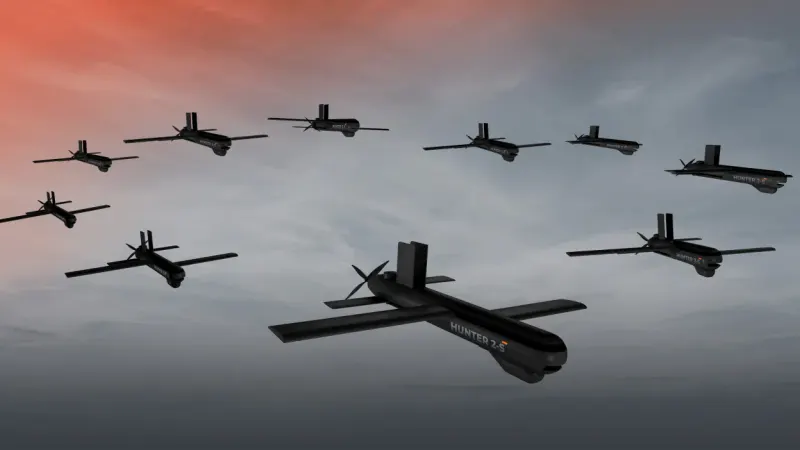
Combat-validated 10–50 drone swarms overwhelming air defences. AI target allocation, mesh networks without central control.
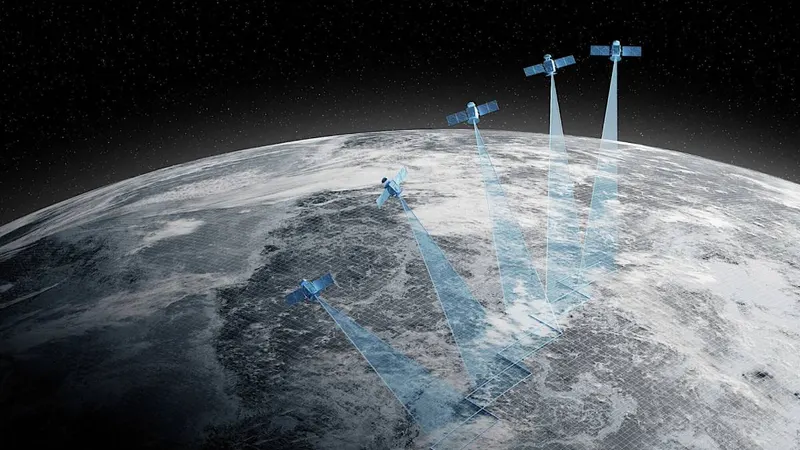
100+ small satellite tactical reconnaissance constellation. Dual-use commercial revenue model. Persistent battlefield awareness.

Laser C-UAS at ~$500/engagement vs $100K+ missile. Quantum-resistant encryption for NATO-grade battlefield networks.
Infrastructure Analysis
Urgent capability deficiencies identified through battlefield intelligence that represent immediate high-priority investment opportunities.
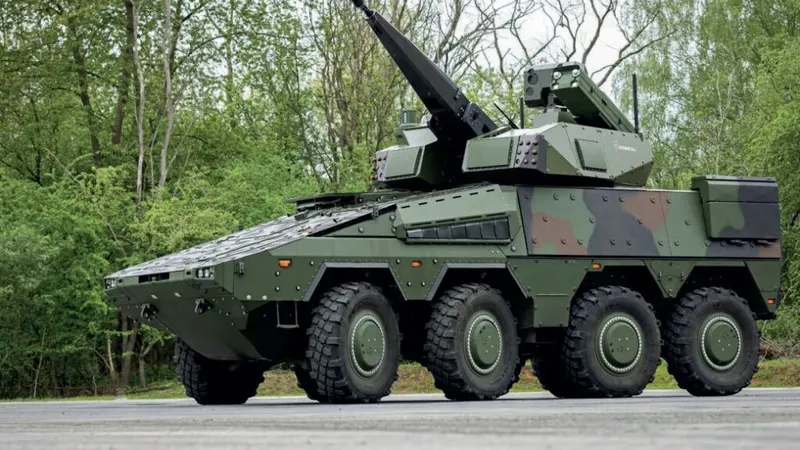
UK has only 2 air defence regiments. Every NATO manoeuvre battalion requires organic counter-drone capability — a fundamental gap exposed by Ukraine's 9,000 daily drone deployments.
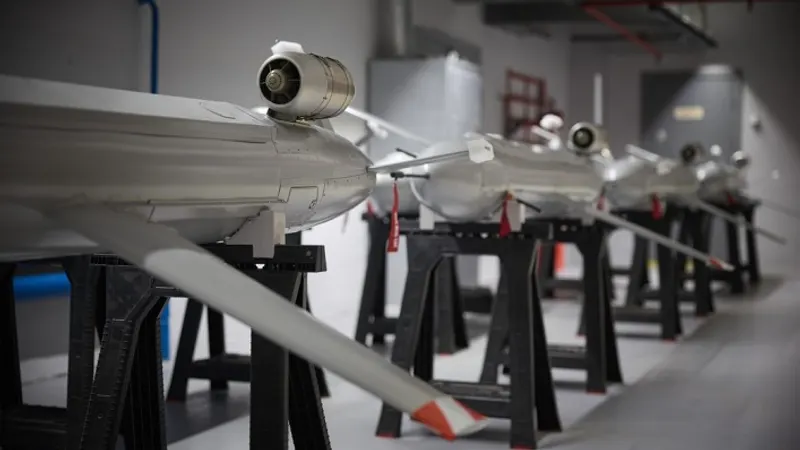
European forces lack drone production at Ukrainian scale (200K+/month). NATO requires 50–100K FPV drones monthly at minimum to achieve drone warfare parity. European manufacturing must be established.

NATO forces still operate 30+ minute kill chains while Ukraine achieves <5 minutes. AI autonomous navigation multiplies drone success rates 3–4× (from 10–20% to 70–80%). EU-wide deployment urgent.

Both sides jamming 70–80% of frequencies. Fiber-optic drone control emerging as jam-proof solution (20K+/month Ukrainian production). AI-powered spectrum management critical for NATO operations.
European ammunition stockpiles depleted. 30-day war standard requires 500K+ guided rounds annually. GPS/inertial guidance at <€30K/round enables affordable mass precision fires.
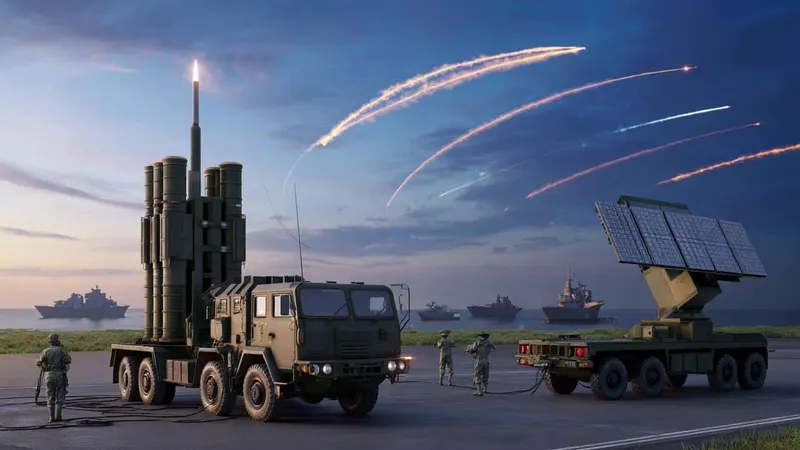
No operational European hypersonic defence capability. Endo-atmospheric interception systems needed against Russian Kinzhal-class threats. Space-based ISR for early warning.
Proprietary Methodologies
Advanced proprietary frameworks developed specifically for combat-validated defence technology investment analysis.
Proprietary methodology replacing traditional 5–7 year testing cycles with 30-day accelerated due diligence. Evaluates technologies across battlefield performance (success rate, reliability under fire), production scalability, cost-effectiveness versus adversary systems, and electronic warfare resilience. Technologies scoring above threshold qualify for Tier 1 immediate deployment.
30-Day DD vs 6–12 Month Traditional
Sophisticated scoring system mapping each technology's integration potential across 32 NATO member states plus 50+ allied export markets. Evaluates STANAG compliance, communication protocol compatibility, logistics chain integration, and cultural adoption barriers. EU-manufactured technologies achieve ITAR-free sovereign procurement advantage.
32 NATO + 50 Allied Markets
Comprehensive evaluation of European defence production sovereignty across the Ukraine–Poland–Germany–Nordics corridor. Assesses supply chain redundancy, hardened/underground facility requirements, production cost economics, skilled workforce availability, and NATO logistics proximity. Ensures no single-point-of-failure in manufacturing.
Multi-Region Sovereign Production
Unique framework quantifying how combat-proven innovation translates to commercial defence market adoption. Analyses Brave1 certification pathways, European "Battlefield Certification" standards, NATO codification timelines, and EU Defence Fund co-investment leverage (3–5× multiplier). First-mover advantage in revolutionary capabilities quantified.
3–5× EU Co-Investment Leverage
Investment Architecture
Phase 1 · 2026–2027
€25–35B Market
Deploy combat-proven Ukrainian technologies at industrial scale to close immediate NATO capability gaps.
Phase 2 · 2027–2030
€40–60B Market
Scale autonomous systems, integrate AI at every echelon, achieve technology superiority over peer competitors.
Phase 3 · 2030–2035
€60–100B Market
Achieve full-spectrum autonomous operations, hypersonic defence, and European strategic autonomy in next-gen capabilities.
Technology Insights
10 Ukrainian troops eliminated 2 NATO battalions (1,600+ soldiers) using drone swarms. Cost: ~$300K vs $100M+ conventional. Engagement speed: hours vs days. This single exercise validated the obsolescence of traditional force structures and redefines every defence procurement decision.
Fiber-optic drone control emerged as the single most consequential development of 2025 — drones immune to electronic jamming with 20–40km range. Ukraine produces 20K+/month; Russia ~50K/month with a dedicated factory producing 4M km cable annually. Some units abandoning radio-controlled drones entirely.
Ukrainian defence tech investment grew from $5M (2023) to $105M (2025) — 20× in two years. Startups account for ~50% of all early-stage European defence tech. Defence Tech Valley attracted 5,000+ attendees from 50+ countries with €6B in EU drone commitments. First-mover institutional access defines returns.
Report Contents
Setcoin Crosslink · cross-sector reads
The same technologies, supply chains and capital show up in other sectors on the Atlas. Leads to explore, not findings.
Research partners, licensors or licensees for the same technology outside this sector
Research partners, licensors or licensees for the same technology outside this sector
Research partners, licensors or licensees for the same technology outside this sector
Research partners, licensors or licensees for the same technology outside this sector
Research partners, licensors or licensees for the same technology outside this sector
61 grants, trials or patents in fusion work on it
Frequently Asked Questions
That traditional force structures are obsolete: in a NATO exercise, 10 Ukrainian troops eliminated 2 NATO battalions (1,600+ soldiers) with drone swarms and AI targeting at roughly $300K against $100M+ of conventional forces. That asymmetry defines a €100–150B European investment opportunity across 9 combat-proven technology domains.
Autonomous combat drones and FPV systems, electronic warfare, AI-powered targeting and C2, counter-UAS and layered air defence, precision artillery and long-range fires, autonomous ground and naval robotics, swarm intelligence, space-based ISR constellations, and directed energy and quantum communications.
Short-range air defence (€3–5B, 500–1,000 mobile systems; the UK has only 2 air defence regiments), industrial-scale drone production (NATO needs 50–100K FPV drones per month), AI targeting infrastructure (<5 minute kill chains vs NATO's 30+), comprehensive EW coverage (€2–3B), precision ammunition stockpiles (500K+ guided rounds per year) and hypersonic defence (€3–5B).
Phase 1 (2026–2027, €25–35B market): urgent capability gaps. Phase 2 (2027–2030, €40–60B): force transformation with 100+ drone swarms, 1,000km+ strike and space ISR. Phase 3 (2030–2035, €60–100B): full-spectrum autonomous operations, hypersonic defence and directed energy — a three-tier €17B architecture targeting 25–35% IRR and 3–5× MOIC.
Brave1 is Ukraine's defence innovation cluster of 1,500+ companies that raised $105M in 2025 (20× growth from $5M in 2023). The report maps its certification pathway, NATO codification timelines and 3–5× EU Defence Fund co-investment leverage as the route from battlefield validation to European procurement.
Qualified institutional investors and fund LPs. Access is requested through the form on this page and granted at the sole discretion of Setcoin Group.
Get exclusive access to the complete institutional market analysis with proprietary data, financial models, and detailed investment recommendations across all 9 combat-proven technology domains.
Available for qualified institutional investors and fund LPs