
AI compute and accelerators: 42 records in 5 other sectors
Research partners, licensors or licensees for the same technology outside this sector
Comprehensive institutional feasibility study analyzing the technical, financial, and competitive landscape of orbital computing infrastructure as AI demand outpaces terrestrial capacity - projected to reach $39B by 2035.
Executive Summary
The in-orbit data centers market is projected to reach $1.77 billion by 2029 and explode to $39.09 billion by 2035—a staggering 67.4% CAGR—driven by AI's insatiable energy demands outpacing terrestrial infrastructure capacity. Data centers already consume 17 GW in the US, projected to reach 35 GW by 2030, with AI workloads potentially demanding 60-100 GW.
This feasibility study provides institutional investors with the analytical depth required for early-stage positioning: technical architecture assessments for each major player, comparative cost modeling between orbital and terrestrial deployments, launch economics sensitivity analysis, and thermal management engineering constraints that determine commercial viability.
Key insight: Starcloud's November 2025 launch of an H100 GPU satellite validated in-orbit computing. Google's Project Suncatcher aims for 80+ satellite constellation by early 2030s. The race is no longer theoretical—first-mover advantages are being established now.
24/7 Solar Energy Access
Natural Vacuum Cooling
10x Lower Emissions
Terrestrial Energy Crisis & Grid Constraints
Launch Cost Trajectory & Starship Economics
Radiative Cooling vs. Water-Based Systems
Radiation-Hardened Computing Advances
EU ASCEND Program & Regulatory Landscape
China's 2,800-Satellite Constellation Race
Latency Profiles & Use Case Mapping
Capital Requirements & Break-Even Analysis
Orbital Advantages
Space-based datacenters leverage unique orbital characteristics that fundamentally alter datacenter economics
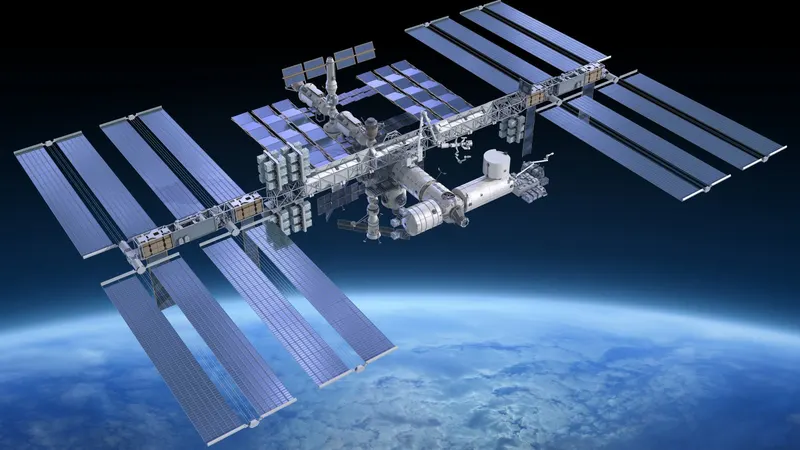
Continuous 24/7 solar energy access without atmospheric interference or night cycles
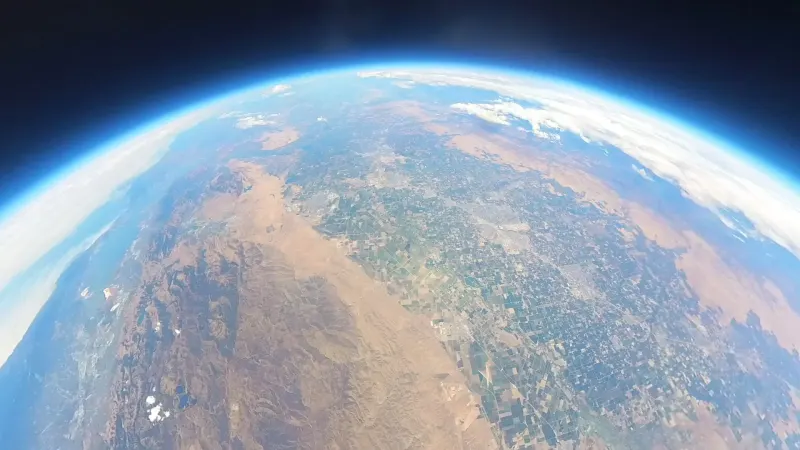
Natural radiative heat dissipation in vacuum eliminates expensive cooling infrastructure
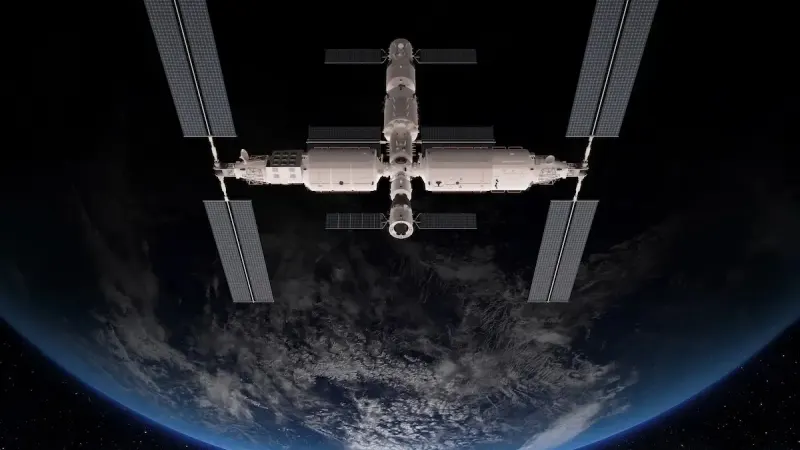
Complete isolation from terrestrial threats, natural disasters, and physical intrusion
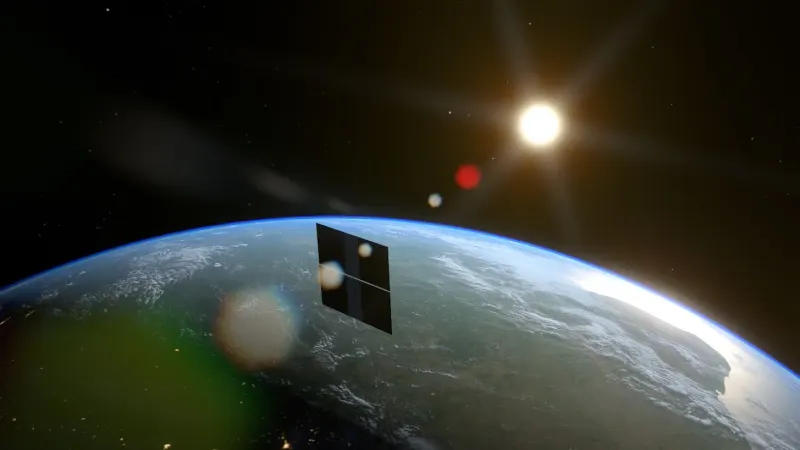
Dramatically reduced carbon footprint through solar-only power generation
Coverage Areas
Deep-dive technical feasibility assessments, competitive intelligence, and financial projections across the orbital computing ecosystem

High-compute, low-I/O batch workloads ideal for orbital deployment. Molecular folding simulations, Monte Carlo financial modeling, and AI weight training where 500ms latency penalty is irrelevant for 48-hour jobs.

Earth observation satellites generate 10 GB/second using synthetic-aperture radar. In-orbit processing eliminates downlink bottlenecks, enabling real-time wildfire detection and distress-signal response.

Data sovereignty requirements for jurisdictionally complex scenarios. Secure global data storage independent of terrestrial infrastructure, immune to geopolitical access risks.

Redundant infrastructure immune to terrestrial risks—earthquakes, floods, grid failures, and regional conflicts. High-availability computing with guaranteed uptime independent of Earth-based events.

AWS Ground Station, Azure Orbital, and Google Cloud partnerships create seamless terrestrial-orbital hybrid architectures. Global coverage without ground station latency.
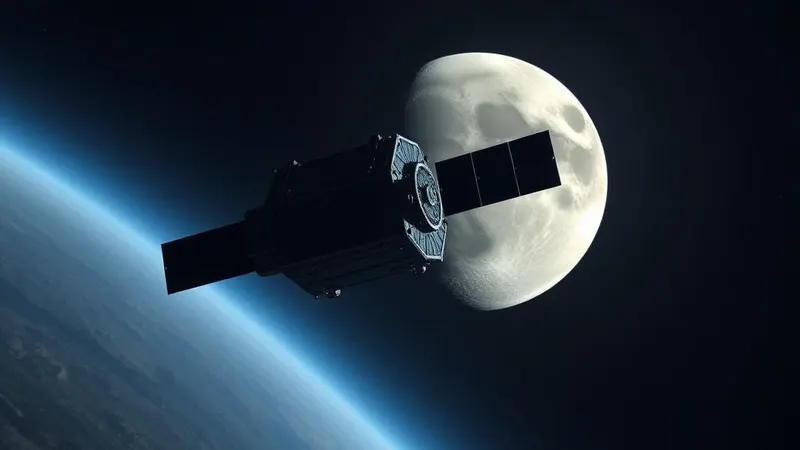
Lonestar's $120M deal for lunar-orbiting data storage. Earth-Moon L1 positioning for deep space mission support and ultra-secure archival storage 60,000 km from the Moon.
Hidden Value
Insights that challenge consensus narratives and reveal asymmetric risk-reward profiles
Space receives 36% higher solar irradiance than Earth's surface, with no night cycles, clouds, or weather interruption. Sun-synchronous orbits enable 24/7 solar power—Starcloud projects 10x energy cost reduction including launch expenses.
90% Lower Electricity Costs
Terrestrial data centers consume 1.2 trillion liters of water annually for cooling. Orbital facilities use radiative cooling into the vacuum of space—no water, no air conditioning, no cooling tower infrastructure.
Eliminate Water Dependency
Local permitting opposition blocks new terrestrial facilities in US and Europe. Orbital deployment sidesteps land use conflicts, NIMBY resistance, and grid connection bottlenecks that delay ground-based expansion 3-5 years.
Unlimited Expansion Space
GPU obsolescence cycles (5-6 years) align with satellite operational lifespans. Unlike terrestrial facilities requiring continuous upgrades, orbital deployments can refresh entire constellations with next-gen hardware on natural replacement schedules.
Synchronized Upgrade Cycles
Market Enabler
Dramatic cost reductions make orbital datacenter infrastructure economically viable for the first time
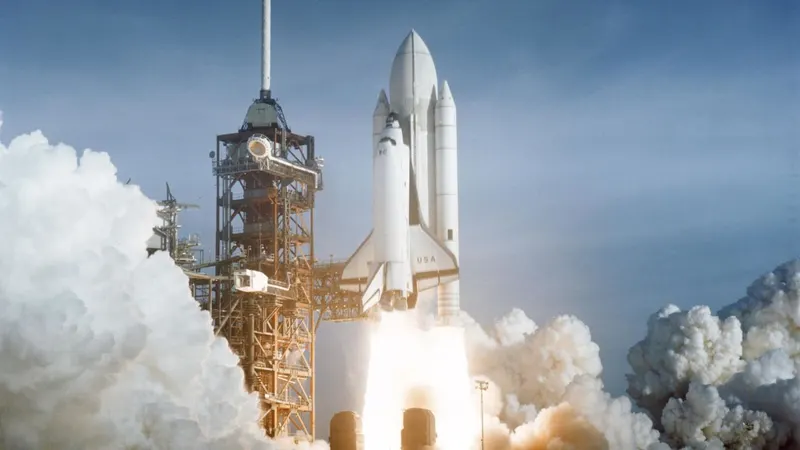
per kg to LEO
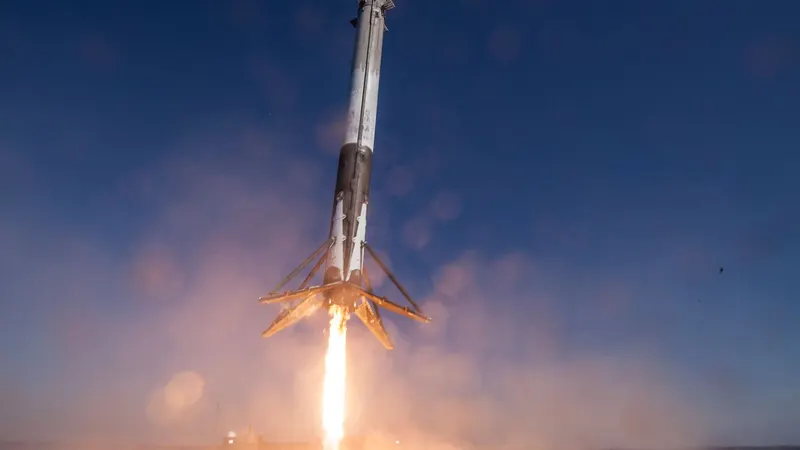
per kg to LEO
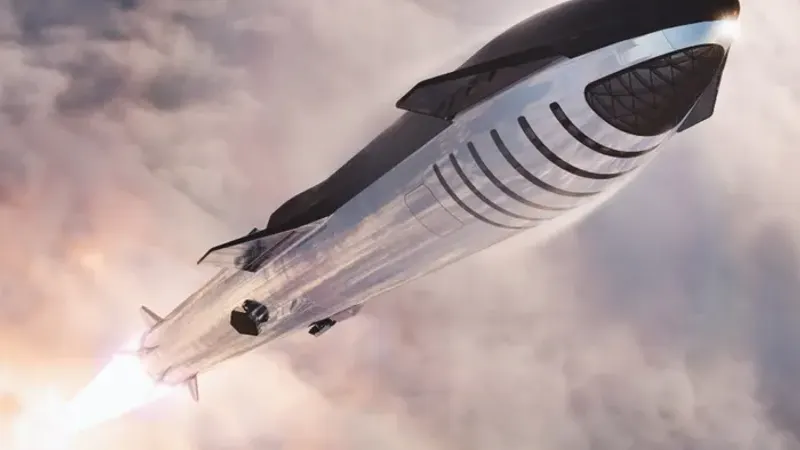
per kg to LEO
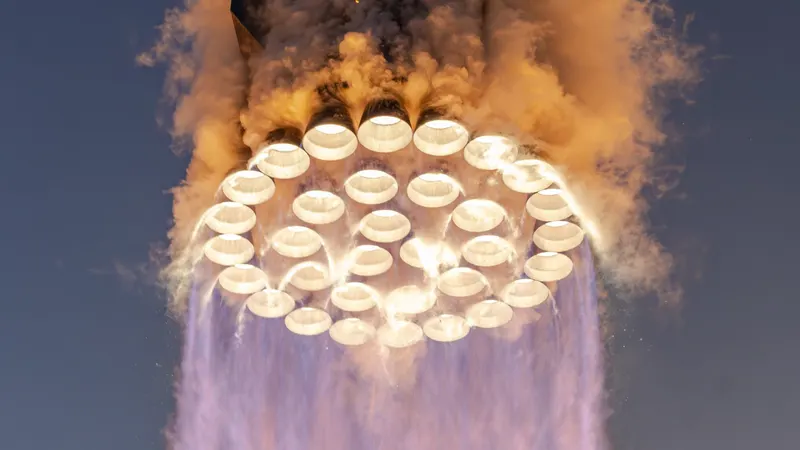
since Shuttle era
Risk Analysis
Key constraints that could delay timelines, increase costs, or invalidate business models
Radiative cooling requires ~4,000 m² of radiator panels for 2 MW facility, adding 20-40 tons of mass. Every kilogram of radiator increases launch costs, eroding solar energy savings.
Current Falcon Heavy rates at $1,400/kg still too expensive for commercial viability. Google's Suncatcher team estimates costs must fall below $200/kg by 2035. Starship maturation is the critical dependency.
LEO radiation degrades electronics. Radiation-hardened hardware costs 10-100x consumer equivalents. HPE's Spaceborne Computer demonstrated challenges—error-correcting software essential but adds latency.
LEO orbital latency: 60-190ms round-trip vs. 10-50ms terrestrial CDN. Eliminates latency-sensitive applications. Only batch processing, AI training, and satellite-to-satellite workloads viable.
Saarland University research: orbital data centers may create 10x greater emissions than terrestrial when including rocket launches and reentry pollution. Ozone layer impact from burning spacecraft components.
No on-site technicians. Hardware failures require robotic servicing or complete replacement. Space debris collision risk. Counterspace technologies (jamming systems) pose national security concerns.
Analytical Framework
Quantitative frameworks for investor-grade assessment and cross-platform comparison
10-year total cost of ownership comparison incorporating launch costs, operational expenses, energy, cooling, water, backup power, land, and permitting. Sensitivity analysis for Starship pricing scenarios from $10M to current rates.
Determines the $/kg threshold at which orbital deployment becomes cost-competitive for specific workload profiles. Accounts for radiator mass, solar panel requirements, and radiation hardening premiums.
Maps latency tolerance, compute intensity, data transfer requirements, and security needs against orbital vs. terrestrial deployment suitability. Identifies optimal workload migration candidates.
TRL scoring for critical subsystems: radiation-hardened GPUs, large-scale radiators, optical inter-satellite links, robotic assembly, and autonomous operations. Timeline probability distributions for commercial deployment.
Technology Insights
First NVIDIA H100 deployed in space. 100x more powerful than any previous orbital GPU. Running Google Gemma LLM in orbit proves large language models viable for space-based inference. Blackwell integration planned for future launches.
80+ satellite constellation with TPU accelerators and free-space optical inter-satellite links. Two prototype satellites launching early 2027. Testing distributed ML tasks in orbit—if successful, operational nodes by early 2030s.
12 AI satellites launched May 2025 as first phase. 744 TOPS per satellite, 8B-parameter AI models, 100 Gbps laser links. China racing to establish orbital computing dominance with centralized gigawatt-scale megacenter by 2035.
Thales Alenia Space leading European consortium. First in-orbit demonstration 2028. Robotic assembly using EROSS IOD technology. Target: 1 GW computing power by 2050. €82M private investment since 2020.
5-gigawatt orbital data center with 4km x 4km solar/cooling arrays. 10x carbon savings over lifecycle vs. natural gas terrestrial facility. Fully operational in sun-synchronous orbit by 2026, scaling to megascale by 2035.
$120M Sidus contract for 6 data-storage satellites. 15-petabyte L1 positioning launching 2027. Each subsequent satellite doubles capacity. Delay-Tolerant Network (DTN) tested successfully for Solar System Internet architecture.
Report Contents
Coverage Universe
Deep-dive analysis of the leading orbital computing developers with comparative technology and business model assessments
NVIDIA-Backed LEO DC
H100 in Orbit Nov 2025
Project Suncatcher
Demo 2027
Orbital Data Center Nodes
Launch 2025
Cislunar Storage
$120M Sidus Deal
EU ASCEND Program
Demo 2028
2,800-Satellite Fleet
12 Launched 2025
Azure Space / Orbital
Partner Strategy
Galactic Brain
Q1 2027 Target
Leo Satellite Initiative
Development
On-Orbit Compute Lease
April 2025
Setcoin Crosslink · cross-sector reads
The same technologies, supply chains and capital show up in other sectors on the Atlas. Leads to explore, not findings.
Research partners, licensors or licensees for the same technology outside this sector
Research partners, licensors or licensees for the same technology outside this sector
Research partners, licensors or licensees for the same technology outside this sector
Research partners, licensors or licensees for the same technology outside this sector
185 grants, trials or patents in robotics, biotech work on it
61 grants, trials or patents in fusion work on it
Frequently Asked Questions
The in-orbit data centre market is projected at $1.77B by 2029 and $39.09B by 2035 — a 67.4% CAGR — as AI energy demand outpaces terrestrial capacity (US data centres at 17 GW today, 35 GW by 2030, with AI workloads potentially demanding 60-100 GW).
36-40% higher solar irradiance with 24/7 sun-synchronous power, natural radiative cooling in vacuum (no water — terrestrial data centres consume 1.2 trillion litres a year), complete physical isolation and roughly 10x lower emissions from solar-only power.
High-compute, low-I/O batch workloads: AI model training, satellite data processing (10 GB/s SAR downlink avoidance), sovereign cloud, disaster recovery, cloud edge extension with AWS/Azure/Google, and cislunar archival storage. LEO latency of 60-190 ms rules out latency-sensitive applications.
Launch cost. Costs fell 95%+ from $54,500/kg (Shuttle) to $2,720/kg (Falcon 9), but Google's Suncatcher team estimates orbital datacenters need under $200/kg by 2035 — a further 7x drop that depends on Starship ($93-250/kg projected). Thermal management adds 20-40 tons of radiator mass per 2 MW.
Starcloud (H100 in orbit November 2025), Google Project Suncatcher (2027 demo), Axiom Space, Lonestar Data, Thales Alenia (EU ASCEND, 2028 demo), ADA Space (2,800-satellite fleet), Microsoft Azure Space, Aetherflux, Amazon/AWS and Kepler Communications.
Qualified institutional investors and fund LPs. Access is requested through the form on this page and granted at the sole discretion of Setcoin Group.
Gain exclusive access to the complete feasibility study with technical specifications, financial models, and implementation roadmap for orbital computing infrastructure.
Available for qualified institutional investors and fund LPs