
Critical-mineral processing: 123 records in 3 other sectors
Research partners, licensors or licensees for the same technology outside this sector
Comprehensive institutional investment memorandum providing exhaustive market intelligence, technical feasibility assessments, and financial projections across six critical subsectors of the $2.7 trillion space economy. Tailored for the DSE Space & Aerospace Fund investment committee and institutional co-investors.
Executive Summary
This institutional-grade investment memorandum represents a comprehensive, multi-disciplinary analysis of the global space and aerospace sector. The document integrates advanced financial modeling, engineering procurement and construction (EPC) frameworks, supply chain risk assessments, and comparative technology evaluations.
Key analytical frameworks include NPV/IRR sensitivity modeling, technology readiness level (TRL) assessments, competitive landscape mapping, regulatory compliance matrices, ESG impact scoring, and geopolitical risk quantification. The report synthesizes primary research including expert interviews with aerospace engineers, defense contractors, and space industry executives.
Reusable Launch Revolution
90% cost reduction enabling new market segments
Orbital Debris Crisis
34,000 tracked objects >10cm, collision risk increasing
Mega-Constellation Demand
60,000+ satellites creating infrastructure needs
Cislunar Economy
$300T+ lunar resource opportunity emerging
Defense Spending Surge
$67B procurement fueling dual-use tech
AI-Driven Operations
70-85% ground control cost reduction
Ground Station Saturation
Only 400 ground stations serve 8,000+ satellites today
Orbital Refueling Gap
70% of satellite mass is propellant. No in-space refueling infrastructure exists
Coverage Areas
Exhaustive market intelligence, technical feasibility assessments, and financial projections for each critical area of the deep space economy
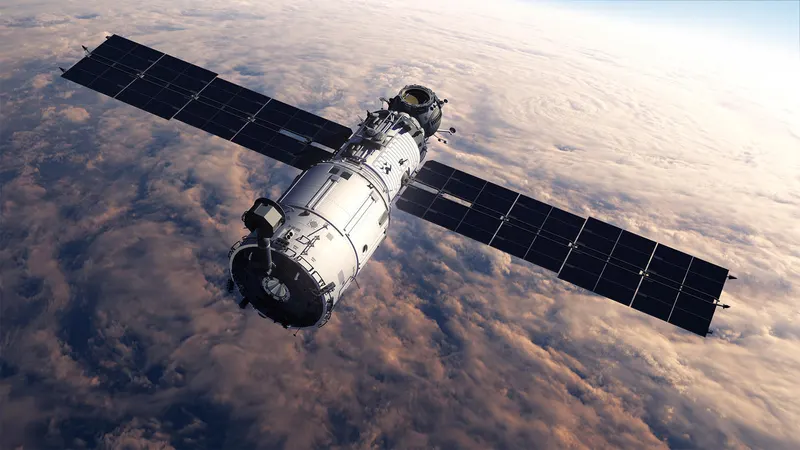
LEO mega-constellations, MEO/GEO hybrid architectures, optical inter-satellite links, and orbital infrastructure platforms
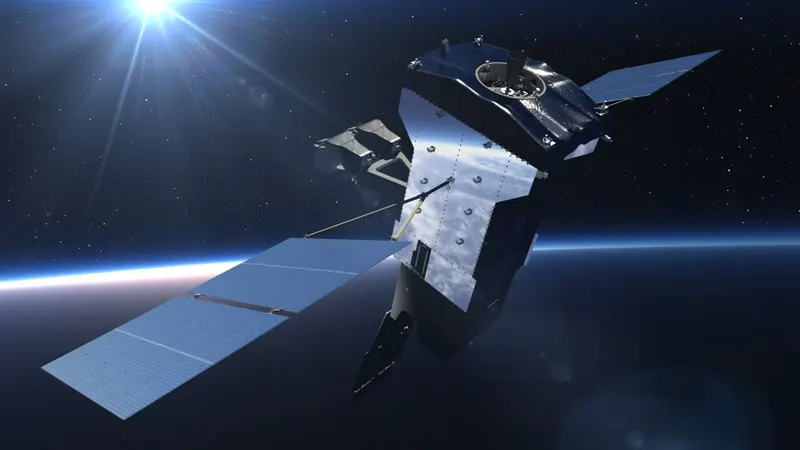
SSA networks, space domain awareness, ASAT capabilities, missile warning systems, and dual-use technology platforms
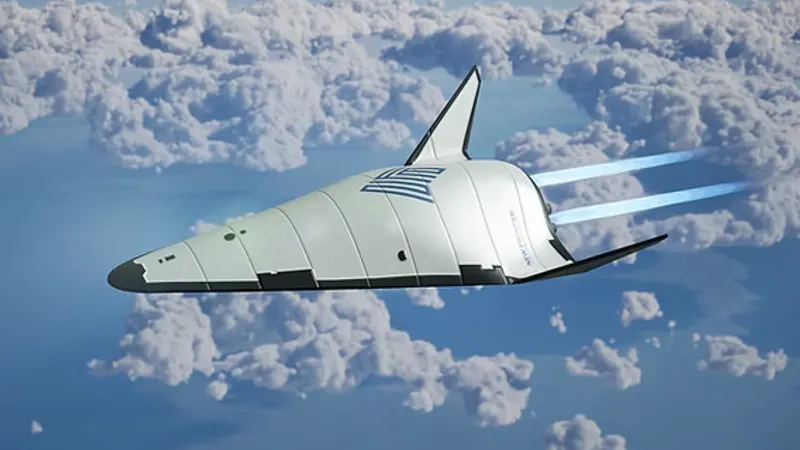
Scramjet propulsion, thermal management, guidance systems, and commercial high-speed transport applications.
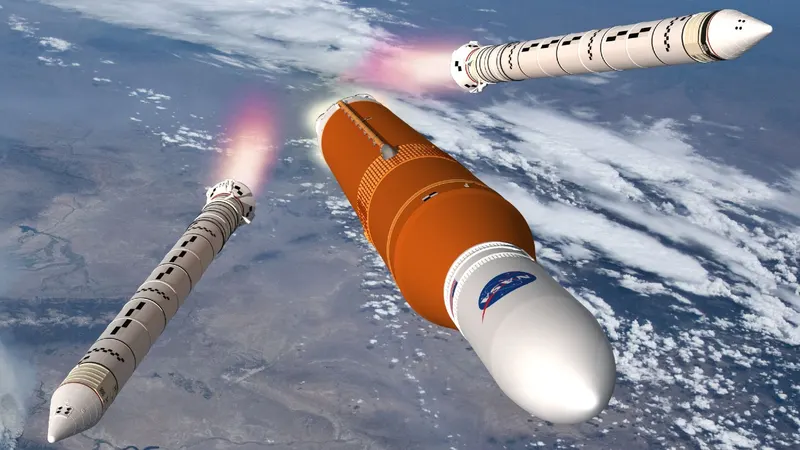
Reusable launch vehicles, green propulsion, nuclear thermal propulsion, and orbital transfer systems
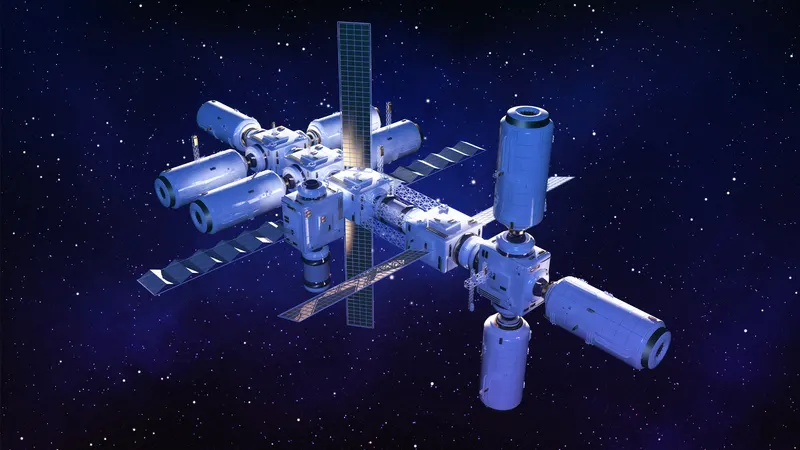
Cislunar logistics, lunar resource extraction, in-space manufacturing, and space tourism infrastructure
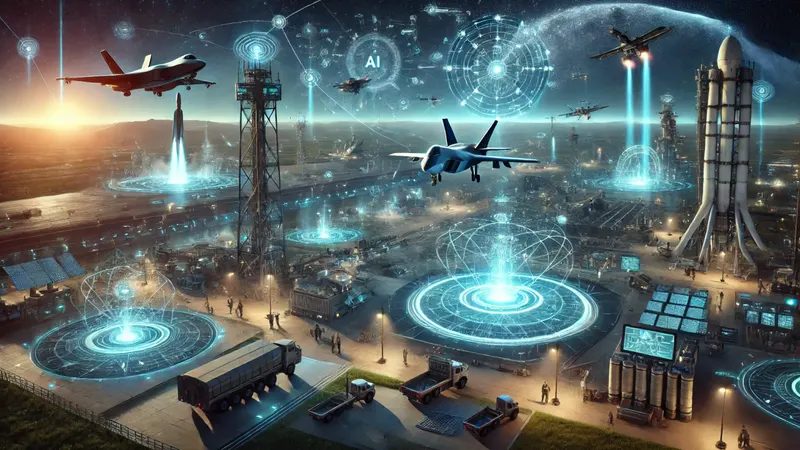
Autonomous satellite operations, swarm coordination, predictive maintenance, and real-time analytics systems
Infrastructure Analysis
The space industry's growth is infrastructure-constrained, not demand-constrained. Our analysis identifies $12-18B in critical infrastructure gaps creating monopoly-rent investment opportunities
The Bottleneck
Only 400 ground stations serve 8,000+ satellites. By 2030: 60,000+ satellites. X-band/Ka-band oversubscribed by 300%
Investment Opportunity
Optical ground station networks (50-100 sites needed), automated phased arrays with 10x capacity per site.

The Bottleneck
34,000 tracked objects >10cm, collision risk +15% annually. Insurance costs rising 40% YoY. Regulatory mandates by 2027-28
Investment Opportunity
Active Debris Removal targeting 200-300 large objects annually. $2-4B annual market by 2030
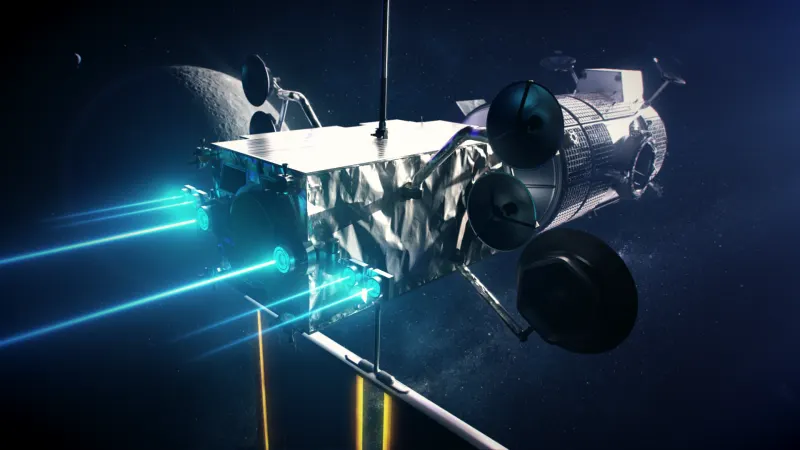
The Bottleneck
90% of satellites adopting EP by 2028. Xenon: 30 tons/year vs 200+ needed. Price surge: $2K→$8K/kg
Investment Opportunity
High-power Hall thrusters (20-50 kW), krypton alternatives, vertically integrated manufacturing.
The Bottleneck
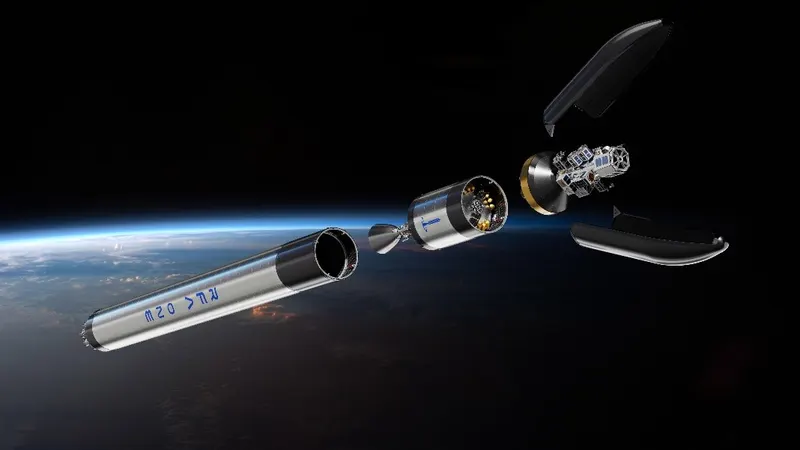
Demand: 400-500 missions/year by 2030. Capacity: 200-250 heavy-lift. 80% manual labor in assembly
Investment Opportunity
Automated assembly systems, propulsion components (turbopumps, combustion chambers, nozzles).
The Bottleneck
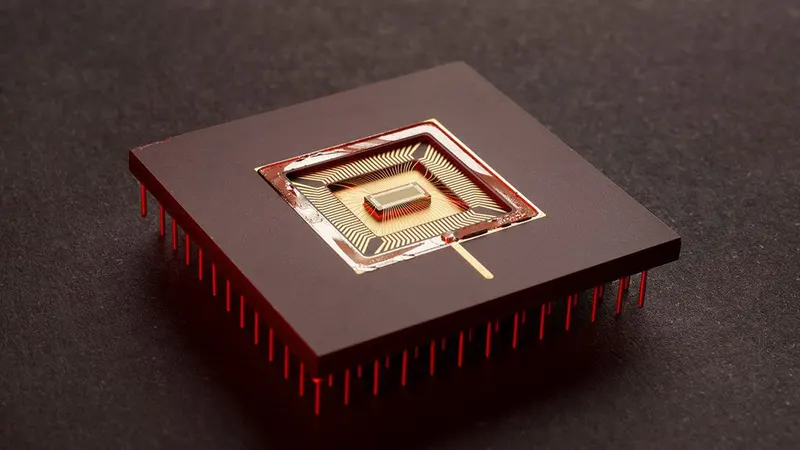
Only 2-3 global suppliers. Lead times: 24-36 months for ASICs. 400% demand surge from satellite production
Investment Opportunity
Dedicated space semiconductor fab. Strategic national security asset with €3-5B annual market by 2030
The Bottleneck
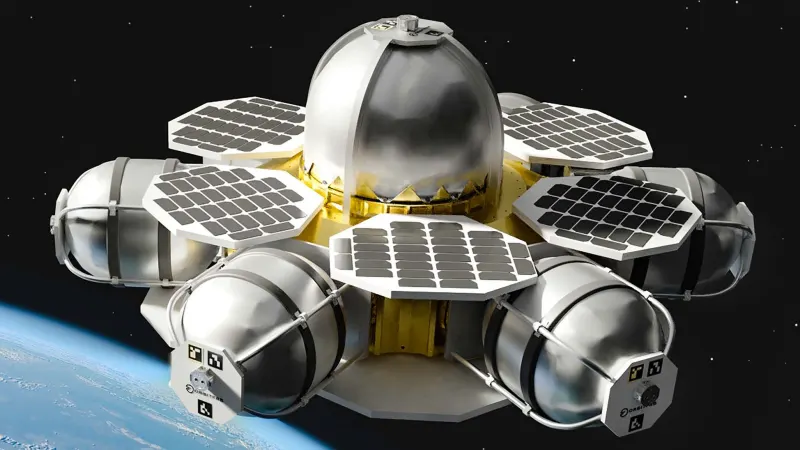
70% of satellite mass is propellant. $20K/kg launch cost makes in-space refueling compelling. No infrastructure exists
Investment Opportunity
Cryogenic depots (LEO, GEO), robotic servicing. Enables satellite life extension 5→15+ years
Proprietary Methodologies
Advanced proprietary frameworks developed specifically for space economy investment analysis
Proprietary framework analyzing how AI, quantum computing, advanced materials, and biotechnology converge in aerospace. The intersection creates new defense/commercial applications worth €180-240 billion by 2035.
AI Integration
Sophisticated scoring evaluating U.S.-China competition, European space sovereignty, and emerging powers. Each technology receives a "geopolitical resilience score" for supply chain and market access risks.
Risk Assessment
Comprehensive "orbital altitude economics" comparing lifecycle costs across LEO, MEO, and GEO. Reveals counter-intuitive insights: LEO costs 60-70% less per unit but requires 40-60x more satellites.
Financial Modeling
Unique methodology assessing defense-funded technology spillover. Historical analysis shows space-defense tech achieves commercial viability 7-12 years post-military deployment.
Risk Assessment
Technology Insights
SpaceX's 20+ Falcon 9 reflights reduced cost-per-kg to LEO from $18,000 (2010) to $1,500-2,000 (2025)—a 90% reduction enabling constellation viability, in-space manufacturing, and cislunar logistics.
Systems transitioning from TRL 4-6 to TRL 7-9 deployment (2025-2030). $67B military procurement will subsidize commercial high-speed transport—enabling NY-Tokyo in 2.5 hours by 2038-2042.
ML applications reduce ground control by 70-85%, enabling autonomous collision avoidance, predictive maintenance (40-60% failure reduction), real-time observation analysis, and swarm coordination.
Report Contents
Setcoin Crosslink · cross-sector reads
The same technologies, supply chains and capital show up in other sectors on the Atlas. Leads to explore, not findings.
Research partners, licensors or licensees for the same technology outside this sector
Research partners, licensors or licensees for the same technology outside this sector
Research partners, licensors or licensees for the same technology outside this sector
Research partners, licensors or licensees for the same technology outside this sector
Research partners, licensors or licensees for the same technology outside this sector
Research partners, licensors or licensees for the same technology outside this sector
Frequently Asked Questions
A $2.7T+ total addressable market by 2040 across six subsectors — satellites and space infrastructure (€180B), space-based defence (€67B procurement 2025-32), hypersonic aerospace (€180-240B by 2035), launch and propulsion, the commercial and lunar economy ($300T+ lunar water ice value) and autonomous AI-driven aerospace.
Only 400 ground stations serve 8,000+ satellites (60,000+ by 2030), 34,000 tracked debris objects raise collision risk 15% a year, xenon supply is 30 tons/year against 200+ needed, launch capacity is 200-250 heavy-lift missions against 400-500 demanded, rad-hard ASICs have 24-36 month lead times and no orbital refuelling infrastructure exists — $12-18B of gaps with monopoly-rent potential.
Optical ground station networks (€500M-1B), active debris removal (€1-2B), electric propulsion manufacturing (€300-500M), launch vehicle production automation (€2-5B), a dedicated rad-hard semiconductor fab (€2-5B) and cryogenic refuelling depots with robotic servicing (€500M-1B).
Technology convergence mapping, geopolitical risk quantification (a resilience score per technology), an orbital altitude economics framework (LEO costs 60-70% less per unit but needs 40-60x more satellites) and dual-use technology valuation (commercial viability 7-12 years after military deployment).
The reusable launch revolution (cost per kg to LEO from $18,000 in 2010 to $1,500-2,000 in 2025), hypersonic systems moving from TRL 4-6 to 7-9 by 2030 with $67B of military procurement, and AI-driven operations cutting ground control costs 70-85%.
Qualified institutional investors and fund LPs. Access is requested through the form on this page and granted at the sole discretion of Setcoin Group.
Gain exclusive access to the complete global market analysis with proprietary frameworks, financial projections, and detailed company assessments.
Available for qualified institutional investors and fund LPs