Skip to content
Setcoin Group
BIOTECHNOLOGY • LIFE SCIENCES

DSE Biotech Lifescience Fund

Investing in the critical infrastructure that enables the next generation of therapeutics — from viral vector manufacturing and cold chain networks to AI-driven drug discovery and modular cGMP facilities. The global biotech market hit $2.79 trillion in 2026, but cell and gene therapy production capacity sits at 15–20% of projected 2030 demand. The fund targets the $50–80B infrastructure gap where capital builds the manufacturing backbone of modern medicine.

Fund type: EquityStatus: Actively Investing

Setcoin Atlas · live pipeline

The pipeline behind the fund

Companies and programmes on the public record in the sectors DSE Biotech Lifescience Fund invests in, each placed on the sector’s own gate ladder: from R&D award to contract, raise and production.

4,620companies past the R&D stage: phase 2 trial or phase 3 trial, or further
5,945companies and programmes on the record
$66.6bnpublic awards, contracts and raises
3,014new records in the last 90 days

By stage (sector gate ladder)

  • R&D award336
  • Phase 2 trial1,153
  • Phase 3 trial824
  • Clearance / approval2,643
  • Facility registered0

Highlighted rows are in play. Bars on a square-root scale.

By region

  • United States9,521
  • Asia-Pacific3,467
  • Europe & UK2,361
  • Global / unsited905
  • Middle East & Africa186
  • Canada121

Source: Setcoin sector registers — R&D awards, contracts, clearances, raises and facility records. Figures update with each Atlas build. Named projects, sponsors and evidence are available to registered investors in the LP workspace.

Market Context

$2.8 Trillion Market — But the Manufacturing Gap Is the Opportunity

The global biotechnology market reached $2.79 trillion in 2026, growing at 14% CAGR toward $9 trillion by 2035. But the real investment story is infrastructure: cell and gene therapy production capacity is at 15–20% of projected 2030 demand, cold chain infrastructure fails 15–25% of personalised therapies, and only 3–4 suppliers globally produce the specialised lipids needed for mRNA therapeutics.

$2.79T
Global Biotech Market 2026
14%
CAGR Through 2035
$50-80B
Infrastructure Gap 2026–2030
$6-9B
Approved Cell/Gene Therapies by 2030
  • Cell & Gene Therapy Manufacturing Crisis

    ~30 approved therapies today, 150–200 projected by 2030. Current production: <50,000 doses/year. Required: 500,000+ doses/year. Viral vector capacity needs 10x scale-up. 18–24 month lead times for new facilities.

  • mRNA Therapeutics Beyond Vaccines

    100+ mRNA therapeutics in clinical trials for cancer vaccines, personalised immunotherapies, and rare diseases. Lipid nanoparticle production bottleneck: only 3–4 suppliers globally. mRNA therapeutics market projected $50–70B by 2030.

  • AI-Driven Drug Discovery Revolution

    50+ AI drug discovery companies but only 1–2 AI-discovered drugs approved. 2–3x success rate improvement vs traditional. $3–5B specialised compute infrastructure needed. 10^60 possible molecules vs <10^9 currently screened.

  • Cold Chain & Logistics Infrastructure Gap

    mRNA requires -80°C to -20°C storage. Cell therapies need liquid nitrogen (-196°C). 15–25% of personalised therapies fail in last-mile delivery. 500+ regional ultra-cold hubs needed globally. $4–7B investment window.

Dual-Track Model

The Fund is Currently Raising & Actively Investing

Whether you're an institutional investor seeking exposure to biotech infrastructure, or a life sciences venture seeking growth capital, we want to hear from you.

For Ventures & Projects

Submit Your Project

We actively seek biotech infrastructure ventures, CDMO platforms, and enabling technology companies addressing critical manufacturing and logistics bottlenecks.

  • Capital at critical development stages
  • Growth equity, project finance, and facility builds
  • Value-add: FDA/EMA regulatory navigation
  • Access to Roche, Pfizer, Novo Nordisk networks
  • Scientific advisory and R&D optimisation
  • Strategic partnership facilitation with pharma
For Investors

Invest in the Fund

Join leading institutional investors positioning for the biotech infrastructure buildout — targeting the manufacturing, logistics, and computational backbone that every therapeutic developer needs.

  • Diversified across manufacturing, cold chain, AI, and diagnostics
  • Near-term CDMO revenue bridges long-term platform returns
  • FDA expedited pathways reducing regulatory risk
  • 40–60% gross margins on manufacturing services
  • Co-investment opportunities on select deals

Investment Strategy

Building the Manufacturing Backbone of Modern Medicine

The DSE Biotech Lifescience Fund targets the critical infrastructure layer where $2.8 trillion in biotech market value meets acute manufacturing constraints. Cell and gene therapy production is at 15–20% of 2030 demand. mRNA lipid nanoparticle supply has only 3–4 global producers. The fund deploys capital into the enabling infrastructure — manufacturing, cold chain, AI compute, and diagnostics platforms — where demand visibility is highest and first-mover advantage creates durable competitive moats with 40–60% gross margins.

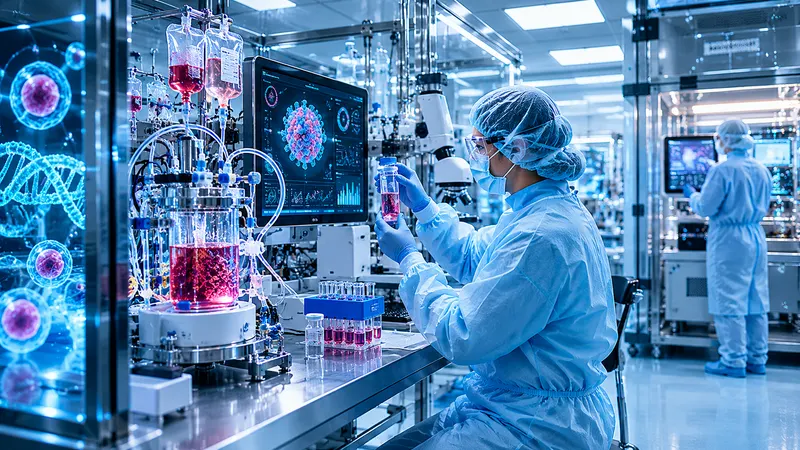
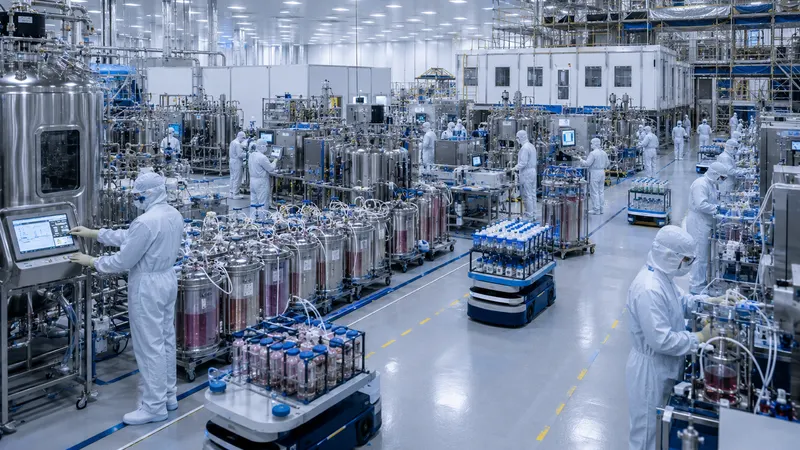
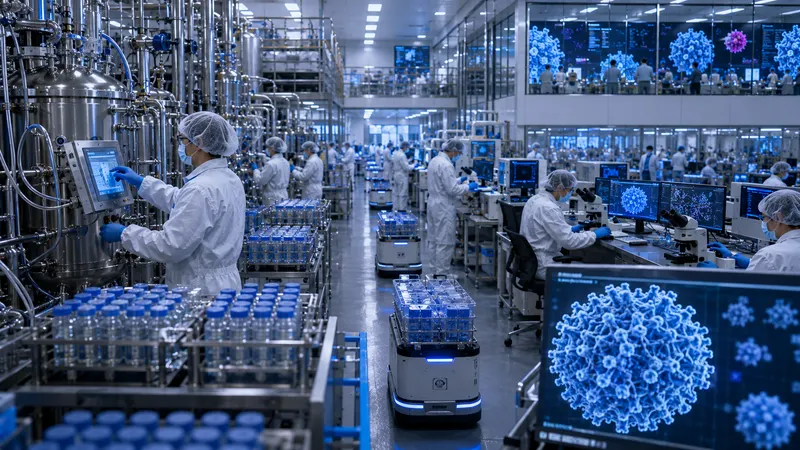
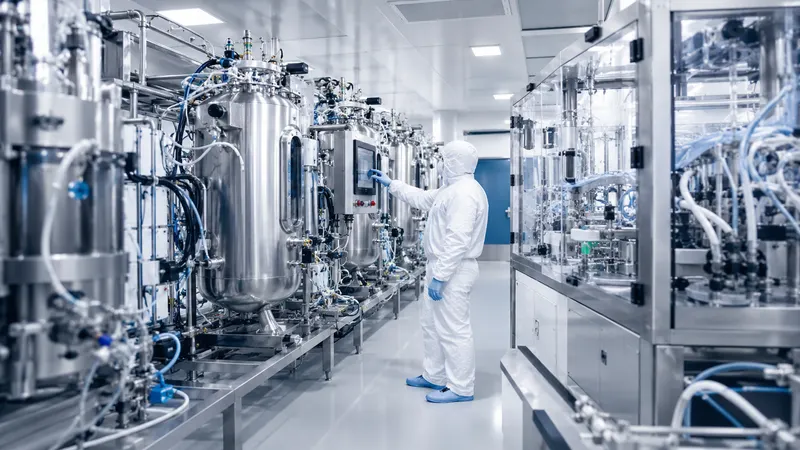
  • Modular cGMP biomanufacturing suite with bioreactors

    Biomanufacturing & cGMP Facilities

    Modular cGMP facilities (3–6 month deployment), continuous manufacturing systems, automated cell culture, viral vector and plasmid DNA production, regional manufacturing hubs.

  • Cell therapy processing in a cleanroom

    Gene & Cell Therapies

    AAV and lentiviral vector manufacturing, CAR-T production platforms, CRISPR delivery systems, automated cell processing, real-time release testing.

  • Lipid nanoparticle formulation equipment

    mRNA & LNP Production

    Lipid nanoparticle synthesis facilities, in vitro transcription at scale, fill-finish capabilities for ultra-cold products, lyophilisation for room-temperature stability.

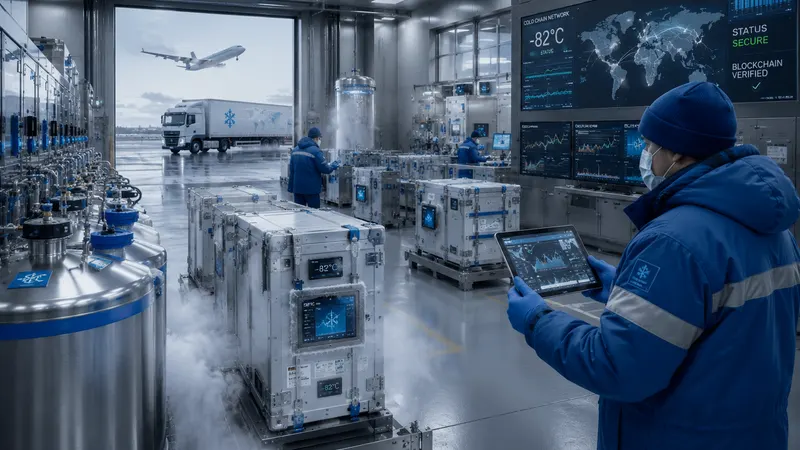
  • Ultra-cold pharmaceutical storage freezers

    Cold Chain & Logistics

    Ultra-cold storage networks (-80°C to -196°C), IoT-enabled monitoring with blockchain verification, cryogenic transport systems, distributed point-of-care manufacturing.

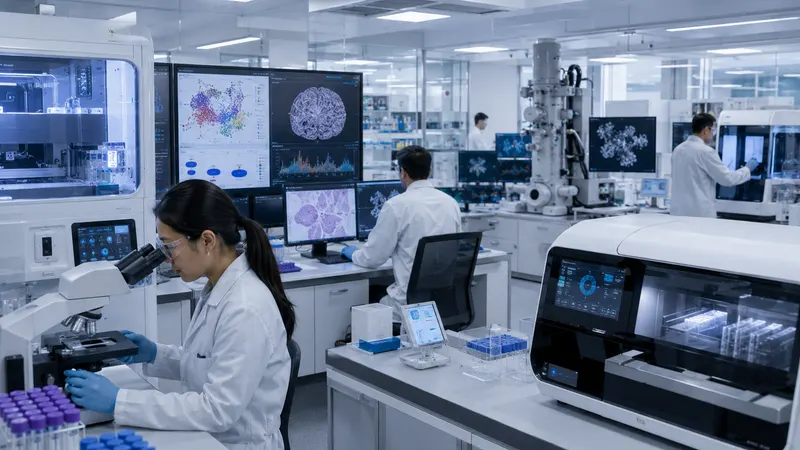
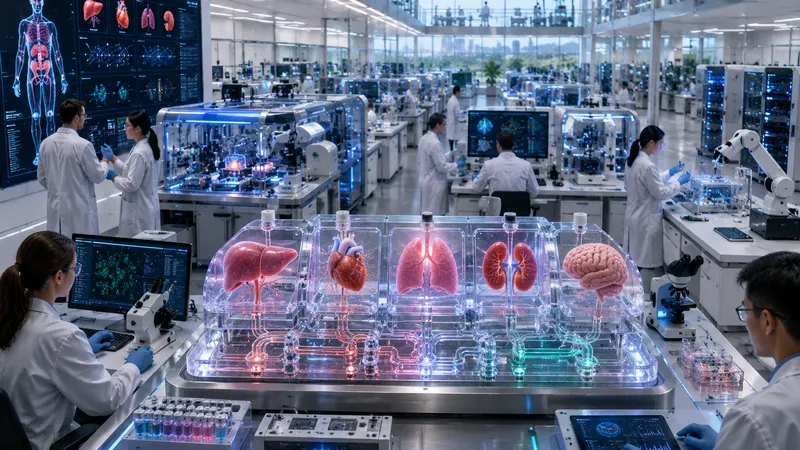
  • Automated laboratory with AI-driven screening

    AI Drug Discovery & Compute

    Molecular dynamics supercomputers, automated wet-lab facilities (robot scientists), federated learning for clinical data, cloud-based screening platforms.

  • Next-generation sequencing instruments

    Diagnostics & Instrumentation

    Next-gen sequencing centres, liquid biopsy infrastructure, AI pathology systems, cryo-electron microscopy, single-cell multi-omics platforms, companion diagnostics.

Geographic Focus:

  • United States
  • European Union
  • United Kingdom
  • Japan
  • Australia
  • Israel
  • Middle East

Critical Infrastructure Gap

Critical Bottlenecks We're Targeting

The fund thesis is built on deep analysis of the biotech sector's most constrained infrastructure nodes — where demand visibility is highest and supply gaps create outsized return opportunities.

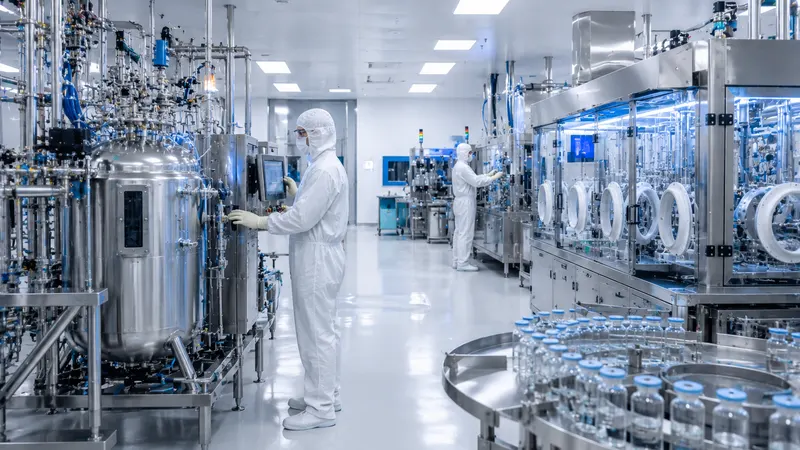
Bioreactor hall at a cell therapy manufacturing site

Biomanufacturing Capacity Crisis

Critical Shortage

Cell and gene therapy production at 15–20% of projected 2030 demand. 18–24 month lead times for new facilities. Viral vector capacity needs 10x scale-up from ~1,000 to 10,000+ litres/year. 500,000+ doses/year needed by 2030.

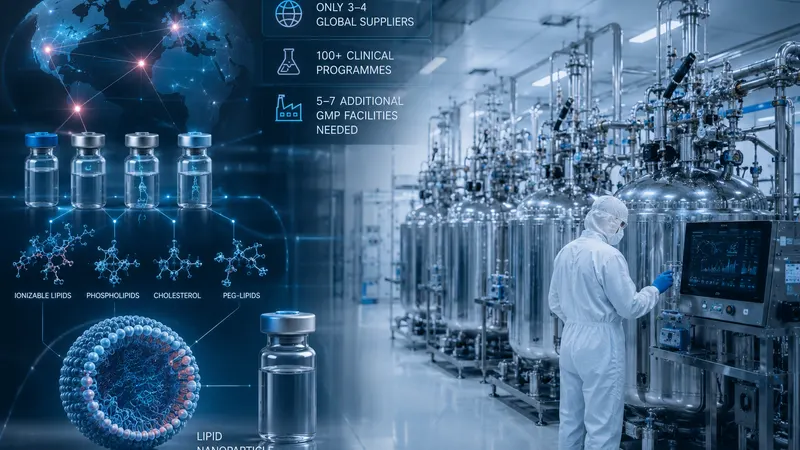
Lipid nanoparticle synthesis line

LNP / Lipid Supply Monopoly

Acute Constraint

Lipid nanoparticle production — essential for all mRNA therapeutics — has only 3–4 global suppliers. Specialised ionizable lipids and PEG-lipids are the bottleneck for 100+ clinical programmes. 5–7 additional GMP facilities needed immediately.

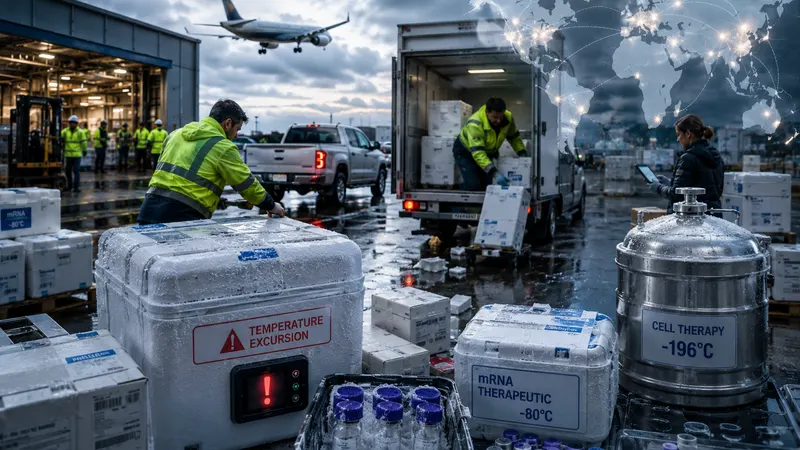
Cryogenic shipping containers for cell therapies

Cold Chain & Last-Mile Failure

Infrastructure Gap

mRNA at -80°C, cell therapies at -196°C. 15–25% of personalised therapies fail in last-mile delivery. Inadequate monitoring for temperature excursions. 500+ regional ultra-cold storage hubs needed globally.

GPU cluster for molecular simulation

AI Drug Discovery Infrastructure

Compute Deficit

10^60 possible small molecules vs <10^9 currently screened. Protein structure prediction requires massive compute. 50+ AI drug discovery companies competing for limited specialised GPU/accelerator resources.

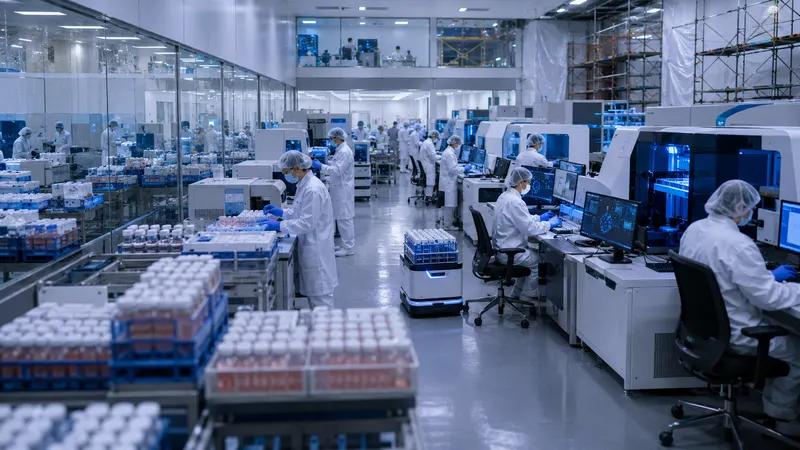
Quality control laboratory for advanced therapies

ATMP Testing & Quality Labs

Structural Gap

Only 20–30 specialised Advanced Therapy Medicinal Products testing labs globally — need 100+ for projected therapy approvals. Digital quality systems and real-time release testing not widely accepted.

Bioprocess engineers in training

Biotech Talent & Training

Workforce Crisis

15,000 bioprocess engineer shortage by 2030. Regulatory affairs specialists for ATMPs severely constrained. Computational biologists in demand across pharma, biotech, and AI companies simultaneously.

Infrastructure Investment Priorities

Infrastructure Priority Matrix

Total infrastructure gap: $50–80B across 2026–2030. Tier 1 alone requires $15–25B — delays cascade across the entire therapeutic development pipeline.

TIER 1 — CRITICAL

Critical Manufacturing & Logistics

12-24 month deployment windows

InfrastructureTimelineMarket Impact

Viral Vector Manufacturing

18 mo

AAV production for 80% of gene therapies. Lentiviral for CAR-T. Current capacity ~1,000 litres/year; need 10,000+. Highest ROI, clearest demand, multiple customers pre-committed.

mRNA / LNP Production Facilities

18-24 mo

5–7 additional GMP lipid synthesis facilities needed. Only 3–4 suppliers globally. Proven technology, 100+ therapeutics in trials. IVT platforms + fill-finish for ultra-cold products.

Cold Chain Infrastructure

18-24 mo

500+ regional ultra-cold hubs needed. IoT monitoring + blockchain verification. Cryogenic transport systems. Enabling technology for ALL biologics — network effects, first-mover advantage.

Enabling

Regional Modular cGMP Facilities

24-36 mo

Prefabricated, scalable units with 3–6 month deployment vs 18–24 month traditional builds. Cell therapy hubs within 6-hour delivery radius. Dual-use: research + clinical.

AI Drug Discovery Compute

24-36 mo

Molecular dynamics supercomputers, cloud-based screening, federated learning for clinical data (HIPAA/GDPR compliant). Asset-light partnership models possible. Accelerates all drug discovery.

Platform
TIER 2 — EMERGING DEMAND

Next-Gen Platforms & Diagnostics

18-36 month deployment windows

InfrastructureTimelineMarket Impact

Synthetic Biology Foundries

18-24 mo

Next-gen DNA synthesis (10x cost reduction to $0.01/bp), high-throughput screening, AI-guided design-build-test-learn cycles. 10–15 regional biofoundry hubs globally.

Clinical Sequencing Capacity (NGS)

24-36 mo

Whole-genome sequencing centres: 500K genomes/year today, need 10M+ by 2030. Liquid biopsy infrastructure for early cancer detection. AI pathology with 10,000+ imaging systems.

ATMP Testing Labs & Organ-on-Chip

24-36 mo

Only 20–30 specialised ATMP testing labs globally; need 100+. Organ-on-chip manufacturing scale-up from academic batches to GMP-compliant production. $400M → $6–8B market by 2030.

TIER 3 — STRATEGIC R&D

Supply Chain & Quality Infrastructure

24-60 month deployment windows

InfrastructureTimelineMarket Impact

Biological Raw Materials Diversification

36-48 mo

80% of critical enzymes from single suppliers. Growth media, cell culture reagents, filtration membranes, chromatography resins. Synthetic alternatives to animal-derived materials.

Digital Quality & Regulatory Systems

30-36 mo

Blockchain-based chain of custody, AI-driven deviation detection, real-time release testing platforms. Regulatory science centres for FDA/EMA/PMDA harmonisation.

Biotech Workforce Development

36-60 mo

15,000 bioprocess engineer shortage by 2030. Corporate training centres, university partnerships, apprenticeship programmes for regulatory and computational biology talent.

Strategic
  • TIER 1 — CRITICAL

    5 priority targets

    12-24 month windows

  • TIER 2 — HIGH PRIORITY

    3 priority targets

    18-36 month windows

  • TIER 3 — MEDIUM PRIORITY

    3 priority targets

    24-60 month windows

What We're Looking For

Investment Criteria for Ventures

  • Innovative & Breakthrough Technology

    Gene therapies, CRISPR delivery, precision medicine platforms, AI drug discovery with demonstrated 2–3x success rate improvement over traditional methods.

  • Strong Scientific Foundation & IP

    Robust patent portfolios, clinical or pre-clinical data, clear regulatory pathway (FDA Breakthrough Therapy, Accelerated Approval). Published, peer-reviewed validation.

  • Scalability & Market Opportunity

    Large addressable markets with significant unmet needs. Platform approaches enabling multiple therapeutic applications. Modular designs supporting technology upgrades.

  • Experienced Management Teams

    Proven founders in R&D, clinical trials, and commercialisation. Deep scientific expertise combined with pharmaceutical industry go-to-market capability.

  • Strategic Partnership Potential

    Fit for pharma collaborations, licensing agreements, and CDMO anchoring. Government co-funding potential (BARDA, EU grants, NIH). Pre-committed customer base.

  • Regulatory Clarity & Compliance

    Clear strategy for FDA/EMA approval. Early regulatory engagement. Designs that exceed compliance requirements — flexible for evolving standards.

Geographic Focus:

  • United States
  • European Union
  • United Kingdom
  • Japan
  • Australia
  • Israel
  • Middle East

Value Creation Strategy

Beyond Capital: Strategic Value-Add

  • Clinical Expertise

    Scientific advisory, R&D optimisation, and clinical trial navigation

  • Pharma Partnerships

    Licensing, CDMO anchoring, and co-development with top-10 pharma

  • Regulatory Navigation

    FDA/EMA pathway strategy, compliance, and expedited approval support

  • Market Intelligence

    Setcoin Intelligence on therapeutic trends and competitive landscape

  • Global Market Entry

    Expansion support into US, EU, and Asian pharmaceutical markets

Risk Management

Comprehensive Risk Mitigation

The fund employs rigorous risk management across regulatory, technical, and geopolitical dimensions

  • Scientific & Technical

    Expert validation panels; modular design; platform approaches

  • Financial & Staging

    Milestone-based funding; CDMO revenue bridges; diversified portfolio.

  • Regulatory Risk

    Early FDA/EMA engagement; overcompliance; flexible facility designs.

  • Clinical Trial Failure

    Diversified customer base; multiple indications; platform technology

  • Competition (In-House Pharma)

    Specialised capabilities; speed-to-market; cost advantage via scale.

  • Geopolitical & Supply Chain

    Regional hubs; dual-sourcing; strategic stockpiling for critical enzymes.

Related Intelligence

Frequently Asked Questions

Fund Questions, Answered

What is the DSE Biotech Lifescience Fund?

A Luxembourg-domiciled equity fund managed by Setcoin Group that finances the manufacturing backbone of modern medicine — viral vector and mRNA/LNP production, ultra-cold logistics, AI drug discovery compute, modular cGMP facilities and diagnostics.

Why manufacturing infrastructure instead of drug developers?

The global biotech market reached $2.79 trillion in 2026, but cell and gene therapy production capacity is at 15–20% of projected 2030 demand, cold chain fails 15–25% of personalised therapies and only 3–4 suppliers produce mRNA lipids. The $50–80B infrastructure gap offers 40–60% gross margins with demand visibility from every therapeutic developer.

Which bottlenecks are Tier 1 priorities?

Viral vector manufacturing (€2–4B), mRNA/LNP production facilities (€2-3B), cold chain infrastructure (€4-7B), regional modular cGMP facilities (€3-5B) and AI drug discovery compute (€2-4B) — €13-23B in total over 12-24 month windows.

What kind of ventures can apply?

Biotech infrastructure ventures, CDMO platforms and enabling technology companies with strong scientific foundations and IP, a clear FDA/EMA regulatory pathway, scalable platform approaches and pharma partnership or CDMO anchoring potential.

Who can invest?

Qualified institutional investors only.

Where does the fund invest?

United States, European Union, United Kingdom, Japan, Australia, Israel and the Middle East.

How to Start

Ready to Invest in the Manufacturing Backbone of Modern Medicine?

Whether you're looking to invest in the fund or submit a biotech infrastructure venture for funding consideration, we're ready to start the conversation.

Investor Access Request

Invest in DSE Biotech Lifescience Fund

Request access to participate in the fund targeting critical biotech infrastructure bottlenecks

Luxembourg
Domicile
Actively Investing
Status

Contact Information

Organization Details

Investment Interest

Anticipated commitment

Additional Information

Compliance & Consent

Important Disclosure

This form is for informational purposes and does not constitute an offer to sell or solicitation of an offer to buy any securities. Investment in the DSE Biotech Lifescience Fund is available only to qualified investors and involves significant risks including potential loss of principal. Past performance is not indicative of future results. All investments are subject to the terms and conditions set forth in the fund's Private Placement Memorandum (PPM).

Venture & Project Submission

Submit Your Biotech Lifescience Opportunity

We're actively seeking breakthrough ventures and infrastructure projects addressing lifescience bottlenecks.

What are you submitting?

Contact Information

Project Overview

Project Stage & Timeline

Current Project Stage

Project Sector

Project Financials

Total Project Cost

Data Room Documentation

Required Documentation for FEED / FID Projects

The following documentation demonstrates project shovel-readiness and enables thorough evaluation with reduced risk and uncertainty. Please confirm availability and provide data room access below.

Documents available in your data room
Risk Assessments: The level of detail and comprehensiveness of your project manual is crucial—it demonstrates shovel-readiness and enables prospective investors and lenders to thoroughly evaluate the opportunity with reduced risk and uncertainty.

Secure link to your existing data room (Intralinks, Datasite, Google Drive, etc.)

PDF or PowerPoint, max 25MB

Submission Consent

Confidentiality Assurance: All submissions are treated as strictly confidential. Your information will only be shared with our investment team for evaluation purposes. We do not share deal flow with portfolio companies or other investors without explicit consent.